

Wondering what seeds to start indoors in March? You might be able to do more than you thought! Here is a list of 12 plants you can start now for Summer success.
Depending on where you're located in the Northern hemisphere, March can be a very busy (or a very slow) time of year for seed starting and gardening.
But there is no time like the present to get started on seed starting, especially if you want to save a little money. Home garden favorites like tomatoes and peppers are much cheaper to grow from seed and can be started indoors in March and April; you can then transplant them outdoors at a later date.
If you do it right, you can get MUCH better results than purchasing transplants from the nursery. My homemade transplants outperform any nursery plants I purchase 10 to 1, year after year (the key is care, attention, and potting up).
Zones 5, 6, 7, and 8
The most prominent zones along the Northeastern seaboard are zones 5 and 6, and so I'm using that as a starting point, but if you live further South (or across the pond in the UK), you can start them 2-4 weeks earlier (and transplant them earlier too), depending on your last frost date.
Zone 3 or 4
If you're in zone 3 or 4, you can follow these guidelines, but leave your plants inside until after your last frost. The extra time under lights should give them the head start they need in a colder climate. Some plants (like okra) are better left to warmer climates.
Follow Your Last Frost Date
When it comes to garden planning, it's always best to go by your local expected last frost date, which can vary wildly not just from state to state and province to province, but from county to county!
In my area, we recently moved up to Zone 6, but we were Zone 5b for many, many years. Meanwhile, just 2 hours away in either direction can bring you as low as Zone 4, or as high as Zone 7! And even within zones, the particular last frost dates are all over the map.
For the best results, find your local expected last frost date and talk to the folks around you who have been growing for a long time - they can tell you when the last frost really happens, because we all know that the charts aren't always right.
What Plants Can I Start Indoors in March?
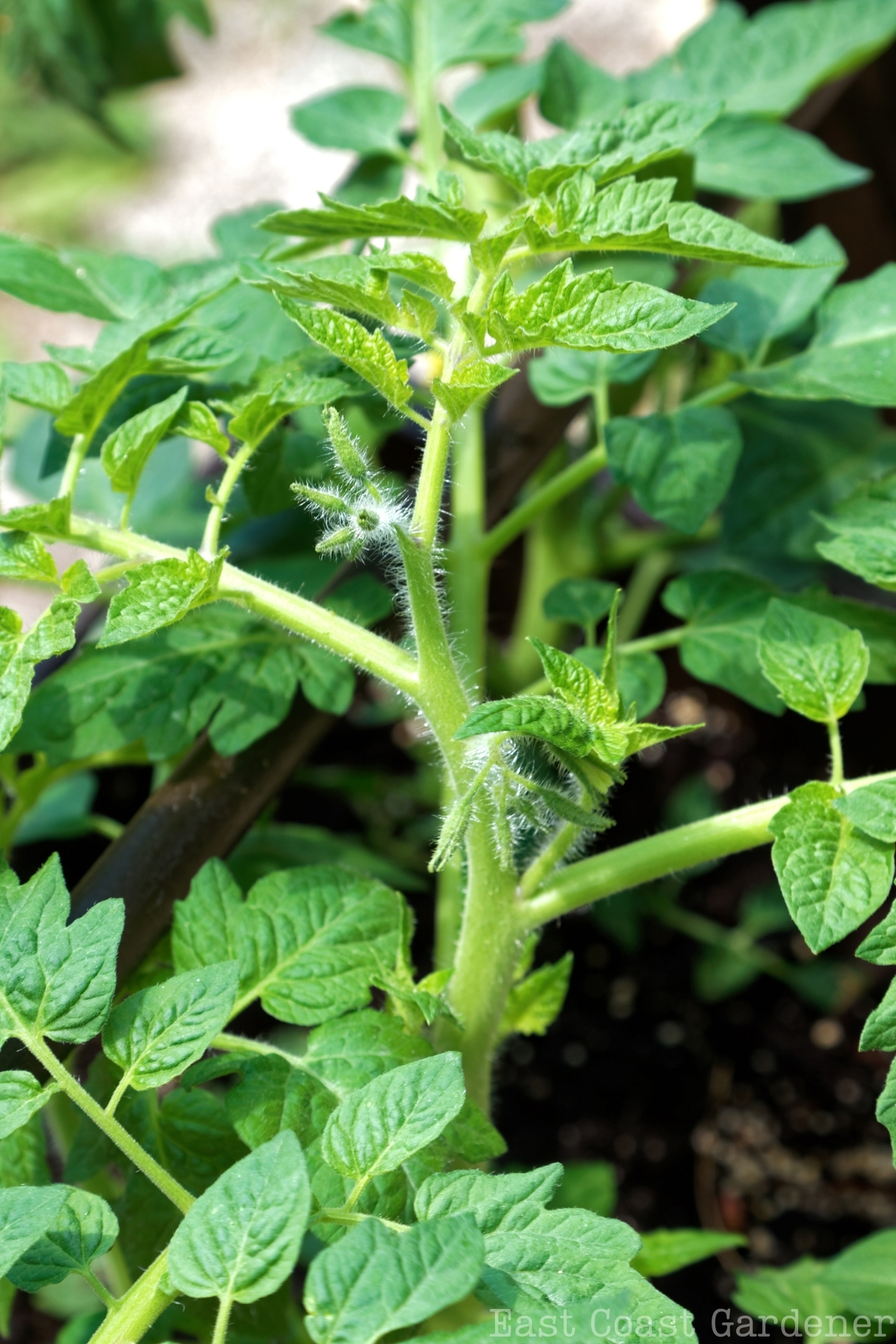
Tomatoes
The pillar of every home vegetable garden! Tomatoes are definitely one of the most popular plants, and it's for a good reason: they taste amazing and have great yields, giving the average home grower a great return on investment. They are a tropical perennial grown as an annual for food production, so they need a good head start to allow them ample time to fruit and ripen before the first frosts kill the plants. I also recommend re-potting your tomato plants, transplanting them to larger pots each time to encourage strong root growth; this is known as "potting up" and is a great technique for plants in the Solanaceae family (also known as nightshades).
Start 8-12 weeks before your last frost date. Transplant after the last frost.
Peppers
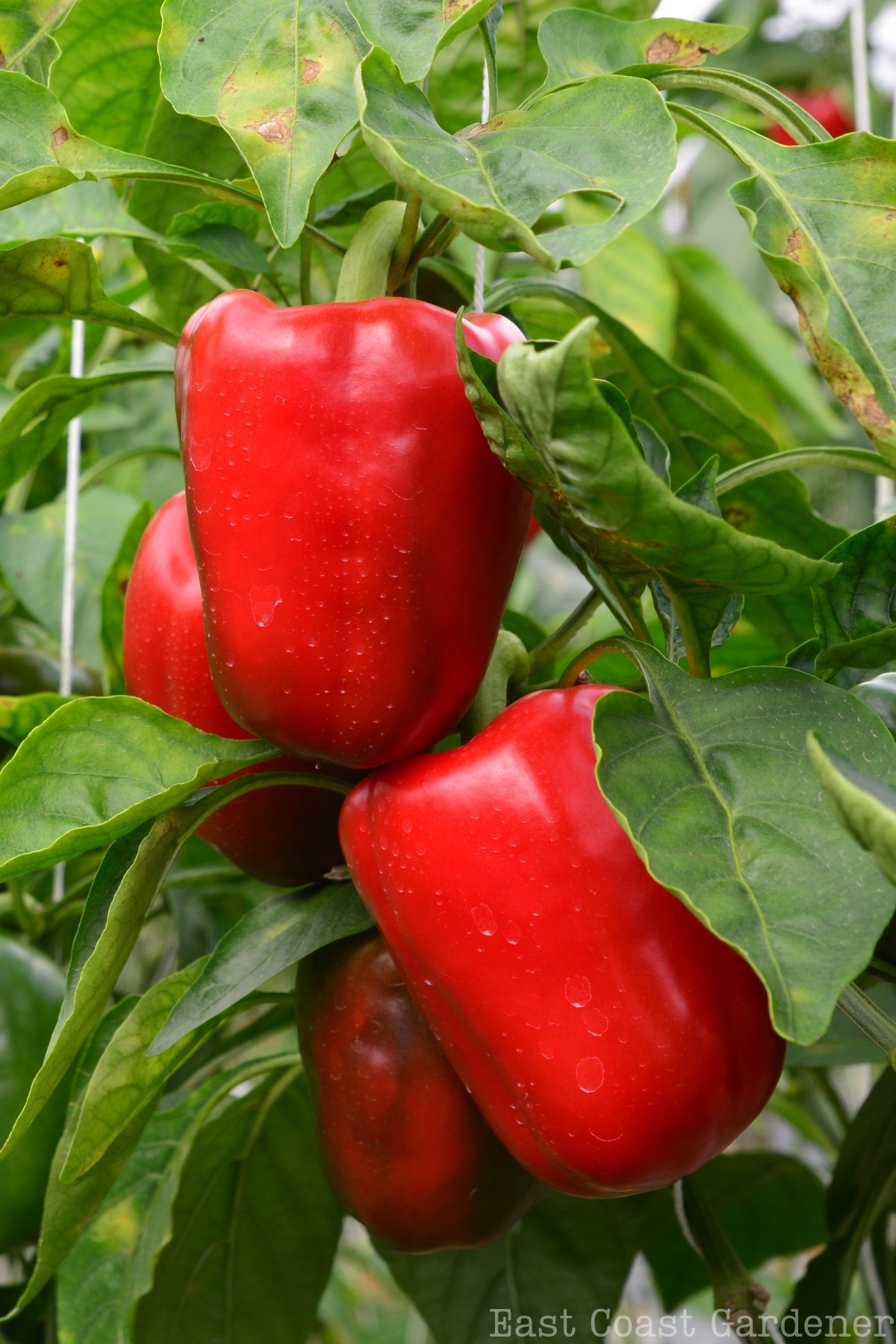
Another nightshade, peppers, benefits from an earlier start than most plants. I have not found that they need as much potting up as tomatoes, but at least 1-2 re-pots during the indoor cultivation process seem to help them grow healthy and strong, better able to handle heavy harvests (although they will still need support).
Start 6-10 weeks before your last frost date. Transplant after the last frost.
Okra
If you're growing okra in the Northeast, you really need to get a head start on these babies! I don't particularly love okra, but I think the plants are beautiful and the flowers are absolutely gorgeous. They are members of the mallow family, and their flowers resemble the common marshmallow (the plant, not the snack). Okra is pretty good pickled, though, and they love being in dry, sandy spots in the garden - so if you have some of those, this Southern classic can be a perfect match.
Okra doesn't like to be transplanted due to its deep taproot. I avoid ticking it off by using compostable tray inserts, and I gently tear off the cardboard as I transplant; this ensures the root growth isn't stunted while you wait for the cardboard to break down. Soil blocks would be another great option.
Start 8-10 weeks before your last frost date when growing in cooler climates. Transplant after the last frost, offering protection at night or during cool, rainy weather until established.
Celery
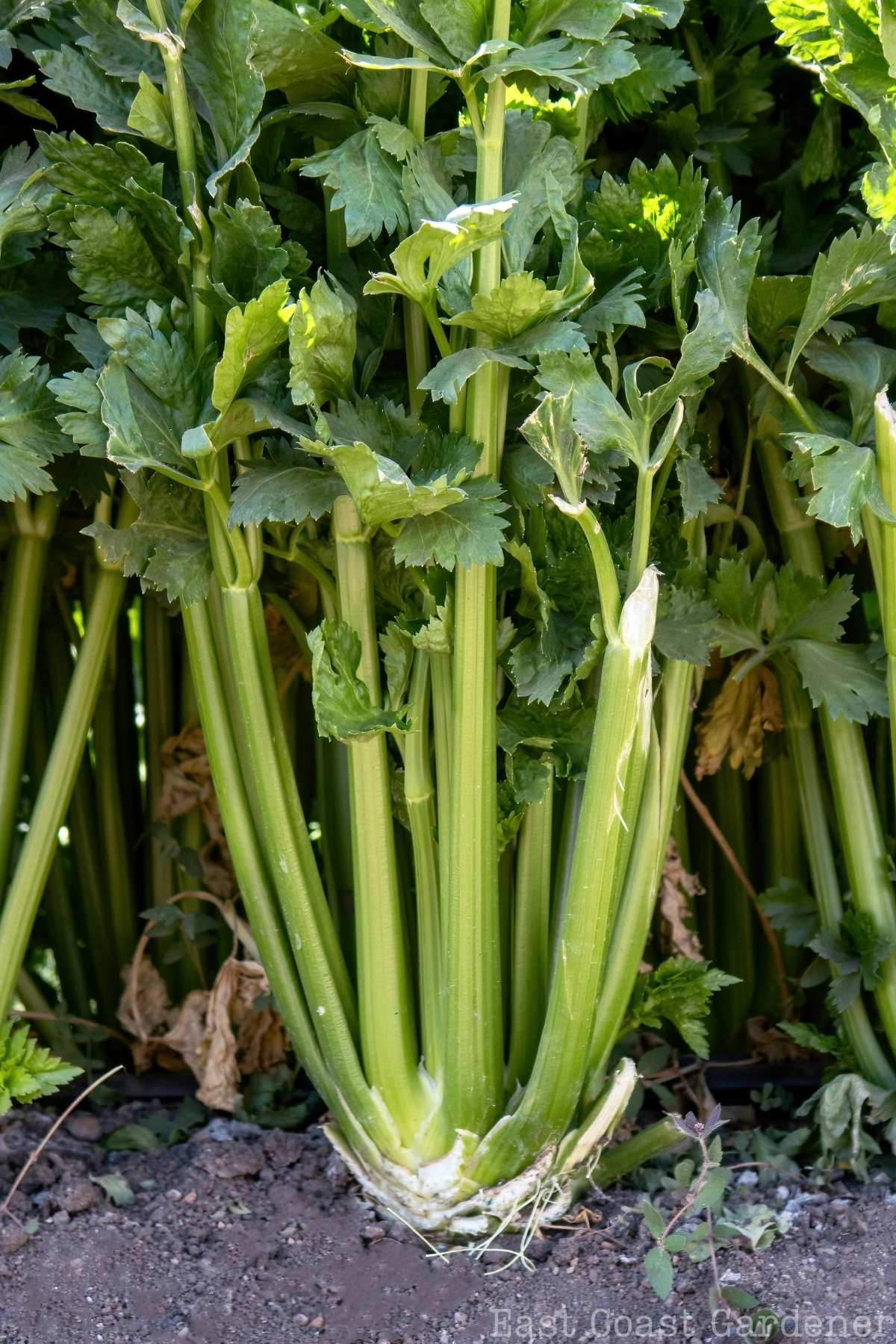
The seeds are small and take a while to germinate (2-4 weeks), so it is essential to get started early. Celery is a slow-growing plant and somewhat finicky, so starting your plants before the grow stand becomes crowded is a great way to ensure they receive the care they need.
8-12 weeks before your last frost date for an early Fall crop. They can be transplanted outside 2-3 weeks before your last frost - just harden them off first.
Eggplant
Oh, would you look here! Another nightshade that needs to be started early. Seeing a trend? Hahaha! Gardening is all about recognizing patterns and making observations. Plants from the same family generally require the same growing conditions, but of course, that is a sometimes rule and not an all-the-time rule (kind of like phonics). Eggplants grow more like peppers than tomatoes, and don't benefit from quite as much potting up - just 1-2 re-pots are perfectly sufficient.
6-10 weeks before your last frost date. Transplant after the risk of frost is passed.
Ground cherries
These tasty sweeties are related to tomatoes and peppers, and benefit from the same early start. Like tomatoes, I recommend "potting up" your plants, and pinching off any of the flowers (they look like lanterns) that appear. You want to encourage the plant to put all of its energy into growing good roots and leaves. Only after they have been transplanted into the garden do we want to encourage fruiting - your yields will be much higher as a result.
8-12 weeks before your last frost date. Transplant after the risk of frost has passed.
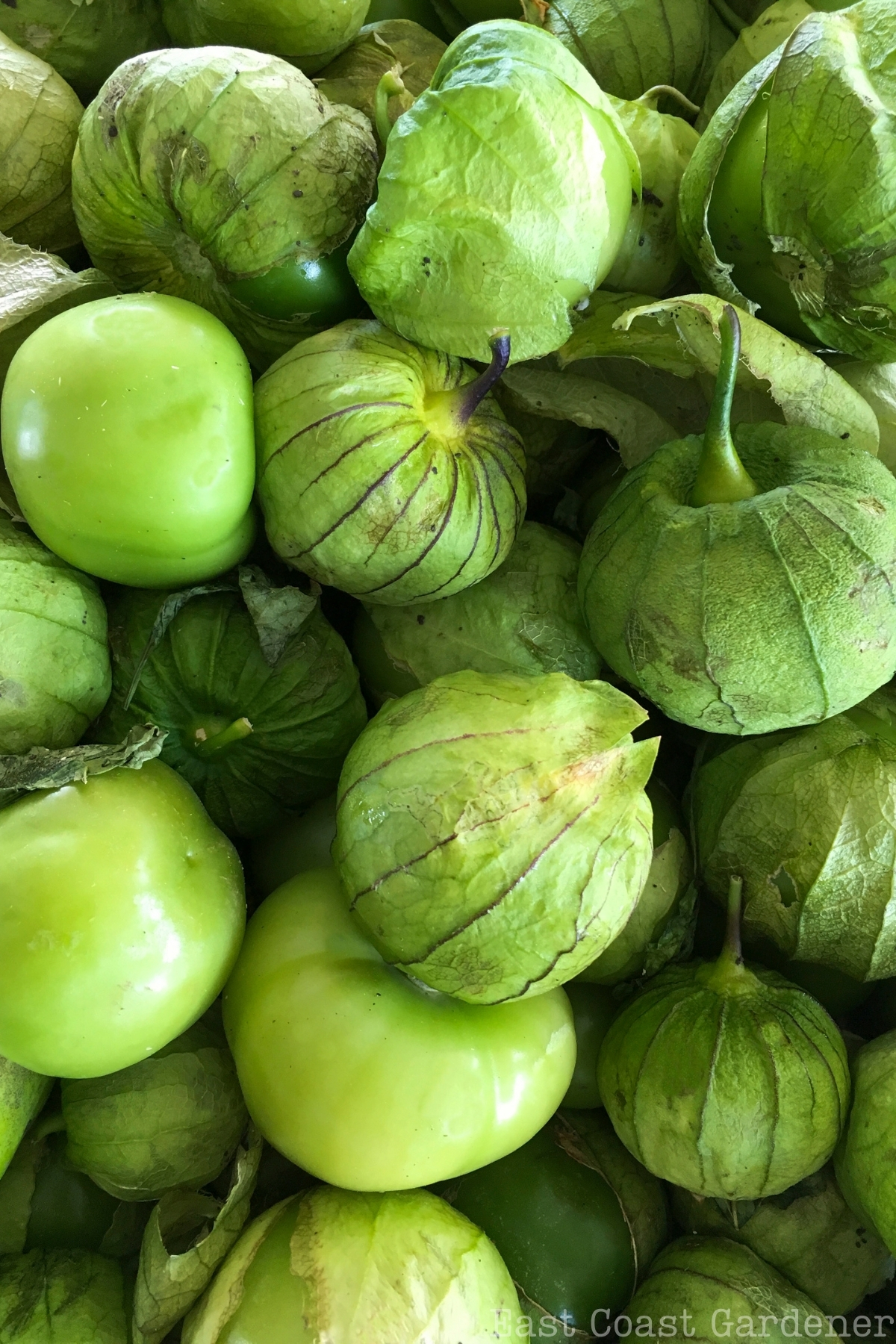
Tomatillos
These are less popular to grow in the North, but boy, do they yield! I've grown tomatillos most years, and I always have more than I know what to do with (there is only so much salsa verde a gal can eat!), but they have a bit longer of a shelf life than most garden veggies. Another member of the Solanaceae family, they grow like a long, spindly tomato plant with pea-like tendencies. You may think the seedlings are becoming leggy, but that's just their nature. Make sure they are trellised with netting once transplanted, as they like to sprawl out.
8-10 weeks before your last frost date. Transplant after the last frost; protect during cool overnights or bad weather - they are prone to break in high winds.
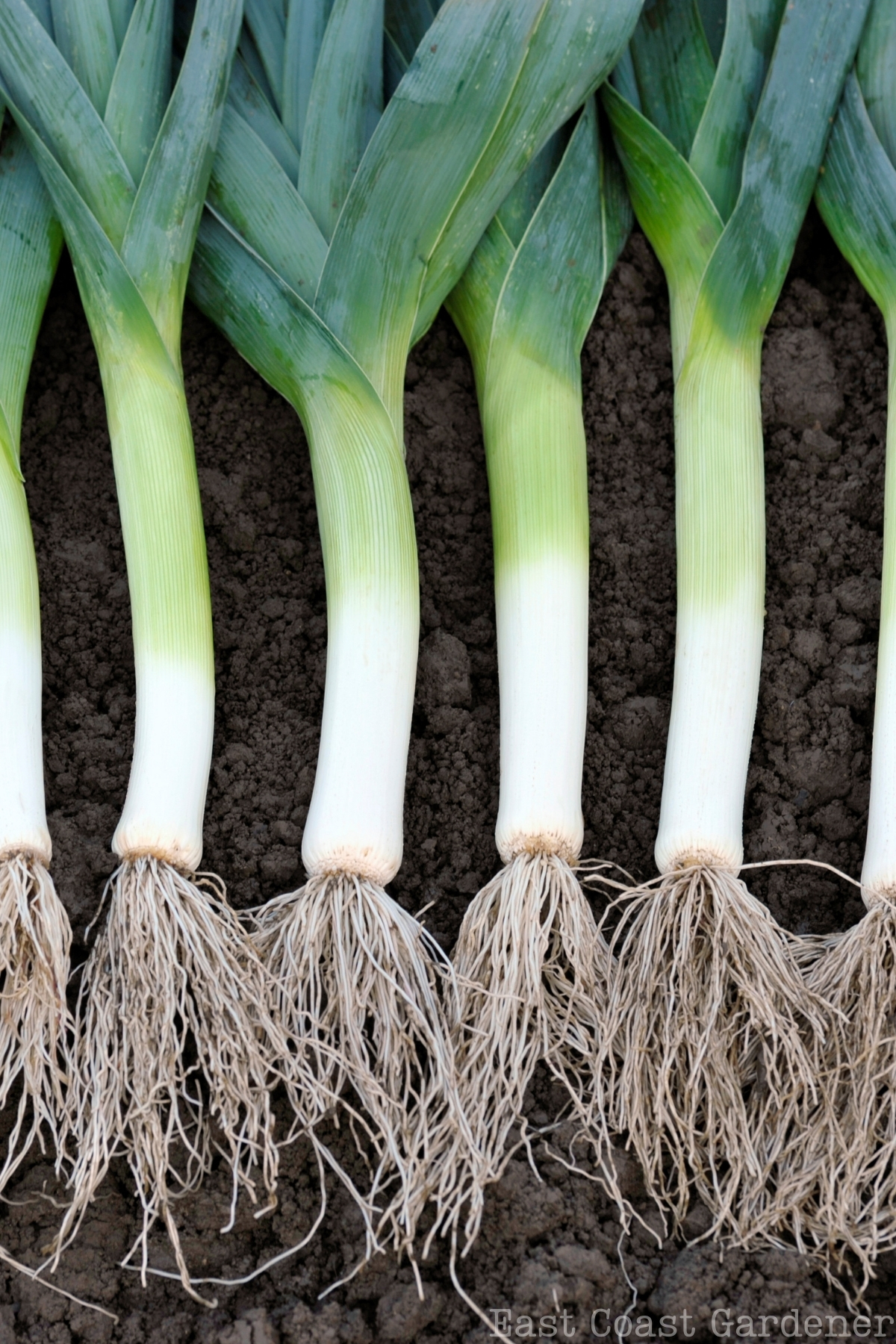
Leeks
These are the divas of the home garden. They require a long growing season, and aren't ready to harvest until the Fall. Like onions, they need to be given a good head start before being transplanted into the garden. Start them as early as possible; mid-February to March is ideal for Zone 5 and Zone 6 climates, but should be started earlier for those who live in warmer areas.
8-12 weeks before your last frost date. Leeks are very cold-tolerant and can be transplanted 1-3 weeks before the last frost.
Onion seed
For the most part, the onions you find in home gardens will be grown from sets, but if you like to grow your onions from seed, they should be started well in advance. Some might even say January/February is best, but you still have a bit of wiggle room if your last frost isn't until May.
I recommend sowing them in an open flat (no cells). Seed packets will have you believe you can direct sow them, or start just 6 weeks in advance - don't take the bait. Onions that are started well in advance have much better success rates (which is the reason so many folks use sets instead of seed). The exception would be very small cultivars or spring onions.
8-12+ weeks before your last frost date.
Asparagus
Most people will choose to plant crowns instead of starting asparagus seed, as it takes about 3-4 years to yield from seed, and just 2-3 years from established crowns. That being said, seed is a perfectly good option if you have more time than money. If you decide to go the seed route, start them early (the earlier the better), keep them warm, and be prepared - they can take up to 2 months to germinate!
12-14 weeks before your last frost. They can be transplanted 2-3 weeks before your last frost date, as asparagus is very cold-tolerant.
Medicinal herbs
If you're working on a medicinal herb garden this year, you may notice that a lot of the recommended cultivars need to be started earlier or require cold stratification. Some of these can be planted using the milk jug method, but if they have already been cold stratified, you can start them in flats in early May. This includes traditional medicinal plants such as echinacea (purple coneflower), skullcap, and blue vervain.
Varies; check your seed packet or catalog for specific instructions.
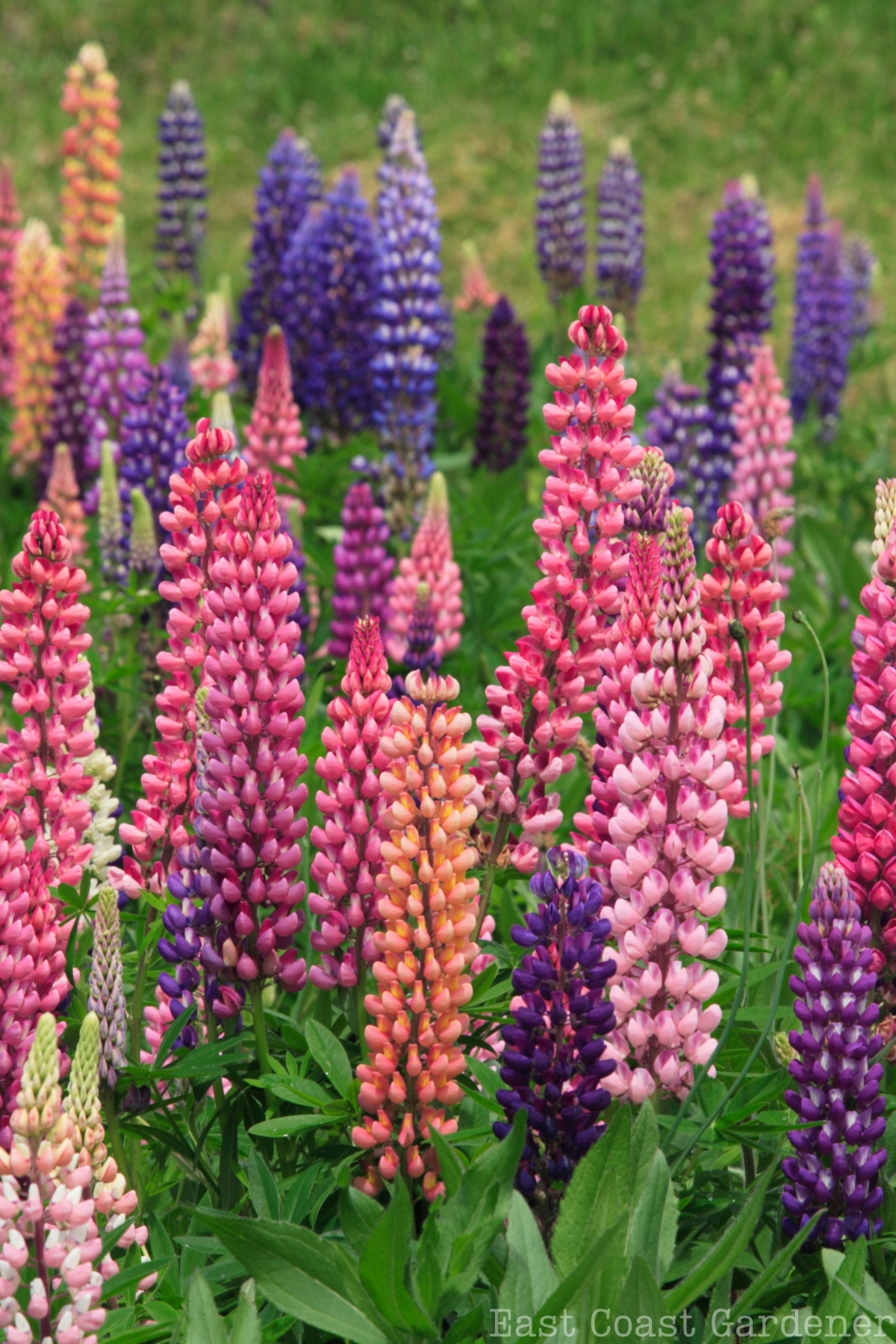
Certain flowers
Like many medicinal plants, there is a wide variety of ornamental flowers that need cold stratification and early starts if they are to be grown from seed. Delphiniums, lupins (lupine), and Columbine are a few popular ornamentals that should be started early (and benefit from cold stratification). Stratify these seeds early in the year (if required; check your seed packet or seed catalogue; it should be disclosed if so), and sow them in flats under lights in early May. Alternatively, you can use the milk jug method to both cold stratify and start the seeds outdoors.
Varies; check your seed packet or catalog for specific instructions.
What do you think?
Are there any plants you would add? Any you disagree with? Share your thoughts and experience in the comments!
Please note that some of the articles on East Coast Gardener may contain affiliate links. If you make a purchase through these links, we will get a small commission at no additional cost to you. See our disclaimer for more information.
Leave a Reply